What Organizers Must Build Into Registration Flow so Debaters Arrive Knowing Every Scoring Criterion and Their Appeal Rights
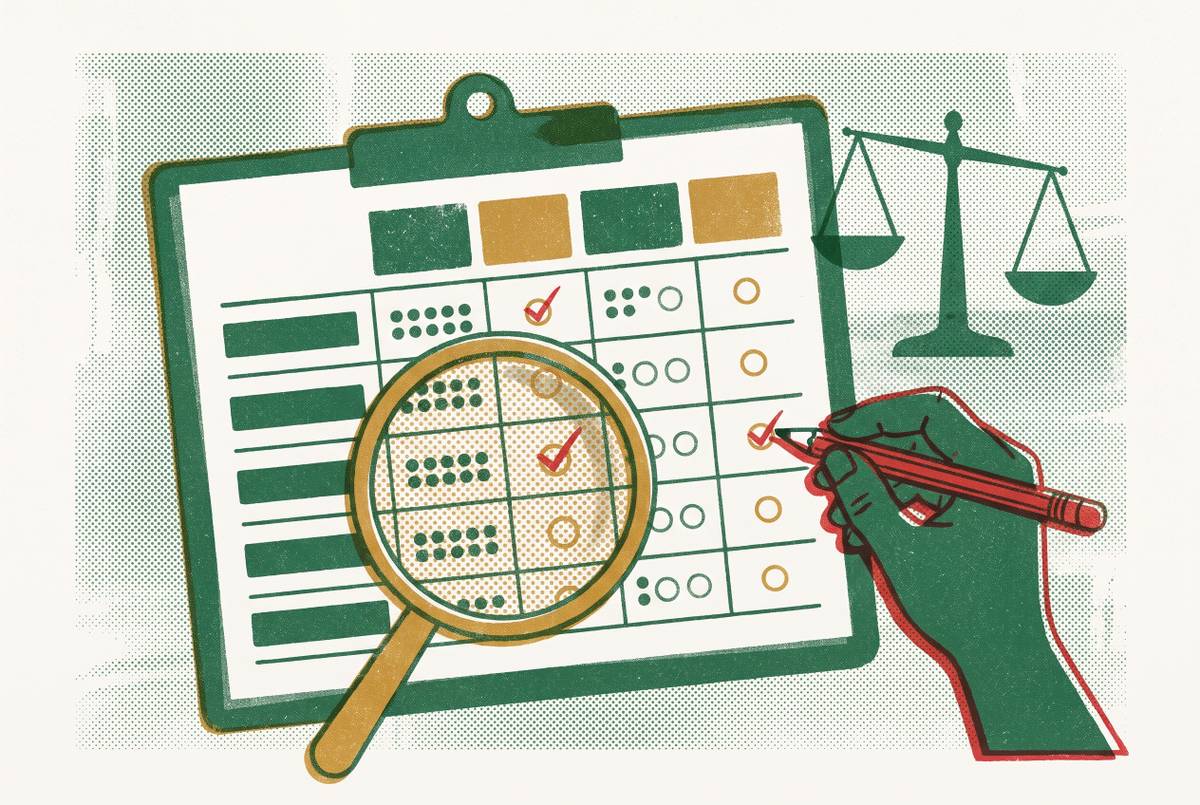
Registration can make scoring and appeal rules unmissable.
The Impartial Judge Editors
16 stories
Registration can make scoring and appeal rules unmissable.
Knowing the scoring criteria early lets debaters build to them.
A credible appeal right turns an AI score into something students can test.
Read the scoring rubric before you register to match your preparation to what judges will reward.
Transparency and independent appeals separate trustworthy AI judging from flawed systems.
Knowing your judge's rubric before the round reshapes which arguments debaters choose to make.
AI judges need transparent rubrics, transcript citations, and appeals to earn competitor trust.
Independent heterogeneous models reduce bias better than single judges or clones deliberating.
Anchored criteria and structured debate reveal skills that aggregate scores obscure.
Structured prompts eliminate bias by pinning down how AI judges debate rounds consistently.
Models reward presentational polish but human judges decide debates on substance.
Researchers reveal how AI judges favor certain debate positions before arguments even begin.
Longer arguments win with AI judges, even when they don't make better points.
LLM judges reveal hidden positional preferences that consistency scores alone cannot detect.
Speech-to-text bias determines debate outcomes before judges even score arguments.